











Introduction
Access panels play a crucial role in modern construction, offering convenient access to concealed areas such as plumbing, electrical systems, and HVAC components. Among these, fire-rated access panels are essential for maintaining fire safety while ensuring easy access to critical infrastructure. This guide will walk you through the process of installing fire-rated access panels, covering everything from selecting the right type to ensuring proper installation and maintenance.

What Are Fire-Rated Access Panels?
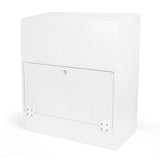
Fire-rated access panels are specially designed doors or hatches that provide access to concealed spaces while maintaining the fire-resistance integrity of a wall, ceiling, or floor. These panels are constructed with materials and seals that prevent the spread of fire and smoke, offering a specified duration of fire resistance, typically ranging from 1 to 4 hours. The key difference between fire-rated and non-fire-rated panels lies in their ability to withstand high temperatures and prevent the passage of flames and smoke.
Types of Fire-Rated Access Panels
Wall-Mounted Fire-Rated Panels
Wall-mounted fire-rated access panels are installed directly into walls, offering a fire-resistant barrier while providing easy access to utilities. These panels are ideal for situations where frequent access is needed without compromising fire safety.
Ceiling-Mounted Fire-Rated Panels
Ceiling-mounted fire-rated access panels are used in ceilings to access overhead utilities, such as HVAC systems. They maintain the fire-resistance rating of the ceiling while allowing for necessary maintenance and inspections.
Custom Fire-Rated Panels
For unique or large-scale projects, custom fire-rated access panels can be designed to meet specific size, shape, and fire-resistance requirements. These panels are often tailored to fit non-standard spaces or to provide extended fire protection in high-risk areas.
Materials Used in Fire-Rated Access Panels
Fire-rated access panels are made from a variety of materials, each chosen for its ability to resist fire and maintain structural integrity under high temperatures. The most common materials include:
- Metal: Typically steel or aluminum, metal access panels offer excellent fire resistance and durability. They are commonly used in commercial and industrial settings where a higher level of security and fire protection is required.
- Plastic: High-performance plastics, often reinforced with fire-resistant additives, are used in some access panels. These are more lightweight and can be a cost-effective solution for residential or light commercial applications.
- Specialized Coatings: Some panels are treated with fire-resistant coatings or sealants that enhance their ability to withstand fire. These coatings can also provide additional benefits, such as antimicrobial properties or resistance to chemicals.
Key Considerations Before Installation
Before installing a fire-rated access panel, several key factors must be considered to ensure compliance with safety standards and optimal performance:
- Compliance with Local Building Codes: Ensure that the chosen access panel meets the fire-rating requirements specified by local building codes. Different regions may have varying regulations, so it's important to verify compliance.
- Selecting the Appropriate Fire Rating: Choose a panel with a fire rating that matches the requirements of the area where it will be installed. For example, a 1-hour fire-rated panel may be sufficient for most residential applications, while a 2- or 4-hour rating may be needed for commercial settings.
- Choosing the Right Material and Size: Consider the environment where the panel will be installed. Metal panels are more suitable for high-security areas, while plastic panels may be adequate for less demanding environments. Additionally, ensure the panel size allows for adequate access to the utilities behind it.
Tools and Materials Needed for Installation
Having the right tools and materials on hand will make the installation process smoother and more efficient. Here is a list of essentials you will need:
- Measuring Tape: To accurately measure the area where the access panel will be installed.
- Pencil and Marker: For marking the cut lines on the wall or ceiling.
- Level: To ensure the access panel is installed evenly.
- Drywall Saw: For cutting the opening in drywall or plasterboard.
- Screwdriver or Drill: To secure the panel in place.
- Fire-Rated Access Panel: The panel itself, chosen according to the specific requirements of your project.
- Fire-Resistant Sealant: To seal the edges of the panel and maintain the fire rating.
- Screws and Anchors: For securing the panel to the wall or ceiling.
Step-by-Step Guide to Installing Fire-Rated Access Panels
Preparing the Installation Area
Start by selecting the location for your fire-rated access panel. Ensure that the chosen spot provides easy access to the utilities behind the wall or ceiling. Use a stud finder to locate any framing members, and avoid cutting into structural elements. Clear the area of any obstructions, and lay down protective coverings to catch debris.
Measuring and Cutting the Opening
Using a measuring tape, carefully measure the dimensions of the access panel. Mark the outline of the opening on the wall or ceiling with a pencil or marker. Double-check the measurements to ensure accuracy, as any errors can compromise the panel's fit and fire rating. Use a drywall saw to cut along the marked lines, creating a clean and precise opening for the panel.
Installing the Frame
Once the opening is prepared, position the frame of the access panel into the cut-out area. Ensure that the frame is level and properly aligned with the surrounding surface. Depending on the design of the panel, you may need to use screws or anchors to secure the frame in place. Tighten the fasteners evenly to avoid warping the frame or compromising its fire resistance.
Ensuring Proper Sealing and Insulation
Proper sealing and insulation are critical to maintaining the fire-rated integrity of the access panel. After the frame is secured, apply a fire-resistant sealant around the edges of the frame where it meets the wall or ceiling. This will help prevent the spread of fire, smoke, and heat through any gaps. For additional insulation, consider using fire-resistant materials around the panel, especially if it is installed in a high-risk area.
Fire Testing and Certification of Access Panels
Fire-rated access panels must meet specific testing and certification standards to ensure they provide adequate protection in the event of a fire. These panels are typically tested according to international standards, such as BS (British Standards) or ASTM (American Society for Testing and Materials). The fire rating, such as 1-hour or 2-hour, indicates how long the panel can withstand fire before failing. Always choose panels that are certified by recognized testing agencies and that meet the required standards for your project.
Common Mistakes to Avoid During Installation
Even experienced installers can make mistakes that compromise the effectiveness of fire-rated access panels. Some common errors include:
- Incorrect Measurements: Failing to measure accurately can lead to a panel that doesn't fit properly, reducing its fire resistance.
- Poor Sealing: Neglecting to apply fire-resistant sealant can allow fire and smoke to penetrate around the edges of the panel.
- Overlooking Fire Codes: Always check local building codes and regulations before installation to ensure compliance with fire safety standards.
Maintenance of Fire-Rated Access Panels
Maintaining fire-rated access panels is crucial to ensure they continue to offer the protection they were designed for. Regular inspections should be conducted to check for any signs of damage, such as cracks, warping, or wear on the seals. If the panel's fire-resistant coating or sealant shows signs of deterioration, it should be replaced or repaired immediately. Keeping the panel clean and free of obstructions will also help maintain its functionality.
Replacing or Upgrading Fire-Rated Access Panels
There may come a time when your fire-rated access panel needs to be replaced or upgraded. Common reasons for replacement include wear and tear, damage, or changes in building codes requiring a higher fire rating. Upgrading to a panel with a longer fire resistance duration or additional features, such as acoustic insulation or enhanced security, can also be beneficial. When replacing or upgrading, it's essential to follow the same careful installation procedures to ensure continued safety and compliance.
Cost Considerations
The cost of installing fire-rated access panels can vary depending on several factors, including the type of panel, the material, and whether you choose to install it yourself or hire a professional. Metal panels tend to be more expensive than plastic ones due to their durability and higher fire resistance. Custom panels may also come at a premium due to the bespoke design and additional features. While DIY installation can save money, professional installation may be necessary for more complex projects to ensure the panel is properly installed and compliant with fire safety regulations.
Where to Purchase Fire-Rated Access Panels
When it comes to purchasing fire-rated access panels, it's important to choose a reliable supplier that offers certified products. Trade Counter Direct is one such supplier, providing a wide range of fire-rated access panels suitable for various applications. Whether you're looking for standard sizes or custom panels tailored to specific needs, they offer a selection of high-quality options. Additionally, they provide detailed product descriptions and specifications, helping you choose the right panel for your project.
Conclusion
Installing fire-rated access panels is a crucial step in ensuring the safety and accessibility of concealed areas within a building. By selecting the right panel, following proper installation procedures, and adhering to maintenance practices, you can maintain both the functionality and fire-resistance integrity of your building. Whether you're working on a residential project or a large commercial installation, taking the time to choose and install the right fire-rated access panel is an investment in safety and peace of mind.
Frequently Asked Questions (FAQs)
How are access panels installed?
Access panels are installed by cutting an opening in the wall or ceiling, fitting the panel's frame into the opening, and securing it with screws or anchors. Proper sealing around the edges is important to maintain fire resistance.
How to cut a hatch in plasterboard?
To cut a hatch in plasterboard, first mark the outline of the hatch on the plasterboard. Use a drywall saw to cut along the marked lines, ensuring a clean and accurate opening for the hatch frame.
What is a fire-rated access door?
A fire-rated access door is a panel that provides access to concealed spaces while maintaining the fire-resistance rating of the wall, ceiling, or floor. These doors are designed to withstand fire for a specified duration, typically between 1 and 4 hours.
How to frame an access door?
To frame an access door, measure and mark the area where the door will be installed. Cut the opening, then install a frame that matches the size of the access door. Secure the frame with screws or anchors, ensuring it is level and properly aligned.
How to secure an access panel to drywall?
To secure an access panel to drywall, first, insert the panel's frame into the opening. Use screws or drywall anchors to fasten the frame securely to the surrounding drywall. Ensure the panel is flush with the wall surface for a neat finish.
How to hide a plumbing access panel?
To hide a plumbing access panel, you can paint it to match the surrounding wall or cover it with wallpaper. Another option is to place decorative elements, such as a picture frame, over the panel to blend it into the room’s design.
How to seal an access panel?
Sealing an access panel involves applying a fire-resistant sealant around the edges of the panel frame where it meets the wall or ceiling. This helps to prevent the spread of fire, smoke, and heat through any gaps.
How big should a plumbing access panel be?
The size of a plumbing access panel should be large enough to provide easy access to the plumbing components behind it. Standard sizes vary, but common dimensions are 12x12 inches or 18x18 inches, depending on the space and access needs.
Do I need an access panel behind the shower?
Yes, an access panel behind the shower is recommended to provide access to plumbing fixtures and connections. This makes maintenance and repairs easier without the need to remove tiles or walls.
How do I cut an access panel?
To cut an access panel, use a measuring tape to mark the desired size on the wall or ceiling. Cut along the marked lines with a drywall saw or utility knife. Ensure the cut is clean and precise for a proper fit of the panel.
What should I put behind shower panels?
Behind shower panels, it's important to have a moisture-resistant barrier, such as cement board or waterproof drywall, to protect the wall from water damage. Additionally, installing an access panel can provide easy access to plumbing.
Do I need to waterproof behind shower walls?
Yes, waterproofing behind shower walls is essential to prevent water damage to the structure. Use a waterproof membrane or sealant to create a barrier between the wall and the shower area.