











Introduction
Fire-rated access panels are a critical component in maintaining the safety and integrity of buildings. These panels are designed to resist the spread of fire, providing crucial protection for concealed areas such as plumbing, electrical wiring, and HVAC systems. Understanding the different fire ratings associated with access panels is essential for ensuring compliance with building codes and safeguarding property and lives. In this blog, we will explore the importance of fire ratings, how they are determined, and what the various ratings mean.
What Is a Fire-Rated Access Panel?
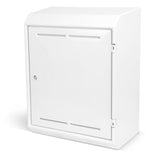
A fire-rated access panel is a specialised type of access panel that has been tested and certified to resist fire for a specific period. These panels are typically installed in walls, ceilings, and floors that are required to have a fire resistance rating. Fire-rated access panels are crucial in maintaining the integrity of fire-rated assemblies, such as walls or ceilings, by providing access to services without compromising the fire-resistant properties of the structure. They are commonly used in both residential and commercial buildings to protect critical areas from fire spread.
Importance of Fire Ratings in Building Safety
Protecting Life and Property
Fire ratings are essential for ensuring the safety of building occupants and protecting property. By slowing the spread of fire, fire-rated access panels help contain the fire to a specific area, allowing more time for evacuation and reducing the risk of extensive property damage. The effectiveness of these panels in preventing the spread of fire can make a significant difference in the outcome of a fire event.
Compliance with Building Codes
Fire ratings are not just a safety measure; they are often a legal requirement. Building codes in many regions mandate the use of fire-rated access panels in certain areas of a building. Compliance with these codes is crucial for obtaining building permits and avoiding legal penalties. Furthermore, adhering to fire rating requirements ensures that a building is safe for occupancy and meets all necessary safety standards.
Insurance and Liability
The presence of fire-rated access panels can also impact insurance premiums and liability. Buildings that are equipped with appropriate fire-rated access panels may qualify for lower insurance premiums, as they are considered lower risk in the event of a fire. Additionally, in the unfortunate event of a fire, having the correct fire-rated components can reduce liability and demonstrate that all necessary precautions were taken to protect occupants and property.
Understanding Fire Rating Classifications
Overview of Fire Rating Standards
Fire rating classifications are determined by standardized testing methods that assess how long a material or assembly can withstand fire exposure while maintaining its structural integrity. Common standards include ASTM (American Society for Testing and Materials), BS (British Standards), and EN (European Norms). Each standard has its own criteria and testing procedures, but they all aim to measure the same critical factors: the material's ability to resist fire, prevent heat transfer, and maintain structural integrity.
What 30/30/30, 60/60/60, and 90/90/90 Fire Ratings Mean
Fire ratings such as 30/30/30, 60/60/60, and 90/90/90 indicate the panel's performance in three key areas: integrity, insulation, and load-bearing capacity. Each number represents the duration, in minutes, that the panel can maintain these properties during a fire. For example, a 60/60/60 rating means the panel will retain its integrity, insulation, and load-bearing capacity for 60 minutes under fire conditions. These ratings are critical for ensuring that the panel can perform its intended function during a fire.
Differences Between A1 and A2 Fire Ratings
A1 and A2 are classifications used in European fire ratings to indicate the combustibility of materials. A1-rated materials are considered non-combustible, meaning they do not contribute to fire growth or produce significant smoke. A2-rated materials are classified as having limited combustibility, meaning they may contribute slightly to a fire but still meet stringent safety criteria. Understanding these classifications is crucial when selecting materials for fire-rated access panels, especially in areas where fire safety is a top priority.
How Fire Ratings Are Determined for Access Panels
Testing Procedures
Fire ratings for access panels are determined through rigorous testing procedures conducted by accredited laboratories. During these tests, the panels are exposed to high temperatures in a controlled environment, simulating real fire conditions. The panels are evaluated based on their ability to withstand fire, prevent the spread of flames, and maintain their structural integrity over a specified period. The results of these tests are used to assign a fire rating, which indicates how long the panel can effectively resist fire.
Factors Affecting Fire Ratings
Several factors influence the fire rating of an access panel, including the materials used, the thickness of the panel, and the design features. For instance, panels made from materials with higher fire resistance, such as steel or certain types of fire-resistant gypsum, typically achieve higher fire ratings. Additionally, features like intumescent seals, which expand when exposed to heat to block gaps, can enhance a panel's fire resistance. The overall construction and quality of the panel also play a significant role in its fire performance.
Interpreting Fire Test Results
Fire test results provide critical information about the performance of an access panel in a fire scenario. When interpreting these results, it’s important to understand what the numbers and ratings signify. For example, a 60-minute fire rating means the panel can resist fire for at least 60 minutes under test conditions. However, real-world factors such as installation quality and environmental conditions can influence actual performance. Therefore, while fire ratings provide a useful benchmark, they should be considered alongside other safety measures.
Common Fire Ratings for Access Panels
30-Minute Fire-Rated Access Panels
30-minute fire-rated access panels are typically used in areas where a lower level of fire resistance is required. These panels provide sufficient protection in settings where the risk of fire is moderate and the primary goal is to slow the spread of flames, allowing for safe evacuation and fire control. Common applications include residential buildings, small commercial spaces, and non-critical areas of larger structures.
60-Minute Fire-Rated Access Panels
60-minute fire-rated access panels offer a higher level of protection, making them suitable for more demanding environments. These panels are often installed in commercial buildings, industrial facilities, and areas with higher fire risk, such as kitchens, boiler rooms, and storage areas for flammable materials. The 60-minute rating ensures that the panel can contain fire and prevent its spread long enough to protect lives and property.
90-Minute and Beyond
In high-risk environments, such as large industrial complexes, hospitals, and high-rise buildings, 90-minute fire-rated access panels or panels with even higher ratings are necessary. These panels provide extended protection, allowing for a longer window of time to manage the fire and evacuate occupants safely. They are crucial in scenarios where maintaining structural integrity during a fire is critical to preventing collapse and ensuring the safety of both people and the building itself.
Materials and Construction of Fire-Rated Access Panels
Fire-Resistant Materials
Fire-rated access panels are typically constructed from materials that can withstand high temperatures without losing structural integrity. Common materials include steel, gypsum, and fire-resistant composites. Steel is particularly favored for its strength and durability, while gypsum is often used in combination with other materials to enhance fire resistance. The choice of materials plays a crucial role in determining the panel’s fire rating and its suitability for various applications.
Design Features Enhancing Fire Resistance
The design of a fire-rated access panel includes several features that enhance its ability to resist fire. For example, the panel’s thickness, the use of double layers of fire-resistant materials, and reinforced edges all contribute to its overall fire performance. Additionally, some panels are designed with fire-resistant insulation that further prevents heat transfer. These design elements ensure that the panel can maintain its integrity and prevent the spread of fire through the opening it covers.
The Role of Intumescent Seals
Intumescent seals are a key feature in many fire-rated access panels. These seals expand when exposed to high temperatures, filling gaps around the panel to prevent the passage of flames, smoke, and hot gases. By sealing off these gaps, intumescent seals help maintain the fire resistance of the entire assembly, ensuring that the panel can effectively contain the fire and protect adjacent areas. The inclusion of intumescent seals is particularly important in panels that need to achieve higher fire ratings.
Applications of Fire-Rated Access Panels
Residential Use
In residential settings, fire-rated access panels are typically installed in areas where fire safety is crucial, such as in garages, basements, and utility rooms. These panels are used to provide access to electrical systems, plumbing, and HVAC components while ensuring that the fire-resistance of the surrounding walls and ceilings is maintained. By installing fire-rated access panels in key areas, homeowners can enhance the overall fire safety of their property.
Commercial and Industrial Use
Fire-rated access panels are widely used in commercial and industrial buildings, where fire safety regulations are strict, and the risk of fire is higher. These panels are essential in protecting critical infrastructure, such as electrical rooms, mechanical rooms, and storage areas for hazardous materials. In industrial settings, fire-rated panels are often required in areas where flammable or combustible materials are present, helping to prevent the spread of fire and protect valuable equipment.
Fire-Rated Access Panels in Public Buildings
Public buildings, such as schools, hospitals, and government facilities, require fire-rated access panels to comply with stringent safety regulations. These panels are used in corridors, stairwells, and service areas to ensure that the fire-resistance of these critical escape routes and service encasements is not compromised. In the event of a fire, the use of fire-rated panels in public buildings helps protect occupants and allows for safe evacuation while minimizing property damage.
Compliance with Building Codes and Regulations
Understanding Local Building Codes
Compliance with local building codes is essential when installing fire-rated access panels. These codes are established to ensure that buildings meet minimum safety standards, particularly in terms of fire resistance. Local codes will specify where fire-rated panels must be used, the required fire ratings, and the installation standards that must be adhered to. Failure to comply with these codes can result in legal penalties, increased liability, and, most importantly, compromised safety for building occupants.
Global Standards and Certifications
In addition to local building codes, there are global standards and certifications that govern the use of fire-rated access panels. These include standards set by organizations such as ASTM International, the British Standards Institution (BSI), and the European Committee for Standardization (CEN). Access panels that meet these standards are often marked with certifications that indicate their compliance with stringent fire safety requirements. Choosing panels with recognized certifications ensures that they meet international safety standards and can be trusted in critical applications.
Updating and Maintaining Compliance
Maintaining compliance with fire safety regulations is an ongoing responsibility. As building codes and standards are updated, it may be necessary to replace or upgrade fire-rated access panels to meet new requirements. Regular inspections and maintenance are also crucial to ensure that the panels continue to perform effectively over time. Any damage or wear that compromises the fire resistance of the panels must be addressed promptly to maintain compliance and ensure the safety of the building.
Cost Considerations for Fire-Rated Access Panels
Cost vs. Benefit Analysis
When selecting fire-rated access panels, it’s important to consider both the upfront costs and the long-term benefits. While fire-rated panels are generally more expensive than non-rated options, the added safety and compliance with building codes can provide significant value. Investing in high-quality fire-rated panels can reduce the risk of fire-related damage, lower insurance premiums, and potentially save lives. The benefits of using these panels often outweigh the initial cost, particularly in high-risk or heavily regulated environments.
Long-Term Savings
Fire-rated access panels can offer long-term savings by reducing the likelihood of costly repairs and liability issues associated with fire damage. Additionally, buildings equipped with proper fire-rated panels may benefit from lower insurance premiums, as they are considered less risky by insurers. The durability and fire resistance of these panels also mean they are less likely to need frequent replacement, further contributing to long-term cost savings. Over time, the investment in fire-rated access panels pays off through enhanced safety and reduced financial risk.
Installation and Maintenance of Fire-Rated Access Panels
Proper Installation Techniques
To ensure that fire-rated access panels provide the intended level of fire resistance, they must be installed correctly. Proper installation techniques include securely fitting the panel into the wall, ceiling, or floor and ensuring that all gaps are sealed with appropriate fire-resistant materials, such as intumescent seals. The installation should follow the manufacturer’s guidelines and comply with local building codes. Incorrect installation can significantly reduce the effectiveness of the fire rating, compromising safety.
Regular Maintenance and Inspection
Maintaining fire-rated access panels is crucial for ensuring their continued effectiveness. Regular inspections should be conducted to check for any signs of wear, damage, or tampering that could compromise the panel’s fire resistance. This includes inspecting the intumescent seals and ensuring that the panel operates correctly. Any issues should be addressed immediately, and replacement parts should be used if necessary to maintain the panel’s integrity. Regular maintenance helps ensure that the panels will perform as expected in the event of a fire.
Common Installation Mistakes to Avoid
Some common mistakes to avoid when installing fire-rated access panels include failing to properly seal gaps, using incompatible materials, and incorrect panel sizing. These errors can significantly reduce the panel’s fire resistance, making it less effective in a fire emergency. Additionally, installing the panel in a location that doesn’t comply with building codes can result in legal penalties and increased liability. To avoid these issues, it’s essential to follow installation guidelines carefully and consult with professionals if necessary.
Conclusion
Understanding fire ratings for access panels is essential for ensuring the safety and compliance of any building. Fire-rated access panels play a crucial role in containing fires, protecting property, and saving lives. By choosing the right fire-rated panels, ensuring proper installation, and maintaining them over time, you can significantly enhance the fire safety of your building. Whether you are working on a residential, commercial, or industrial project, investing in high-quality, properly rated access panels is a decision that pays off in terms of safety, compliance, and long-term value.
FAQs
What is a fire-rated access panel?
A fire-rated access panel is a type of access panel that has been tested and certified to resist fire for a specific period, typically 30, 60, or 90 minutes. These panels are used to maintain the fire-resistance of walls, ceilings, or floors, providing access to utilities while preventing the spread of fire.
What is the difference between A1 and A2 fire ratings?
A1 and A2 fire ratings are classifications used in Europe to indicate the combustibility of materials. A1-rated materials are non-combustible and do not contribute to fire growth, while A2-rated materials have limited combustibility and may contribute slightly to a fire.
What does 30/30/30 fire rating mean?
A 30/30/30 fire rating means that the access panel can maintain its integrity, insulation, and load-bearing capacity for 30 minutes during a fire. This rating is used to ensure that the panel can effectively resist fire and prevent its spread for a specified period.
What does a 60 60 60 fire rating mean?
A 60/60/60 fire rating indicates that the access panel can maintain its structural integrity, insulation, and load-bearing capacity for 60 minutes under fire conditions. This level of fire resistance is commonly required in commercial and industrial settings.
What does 90 90 90 fire rating mean?
A 90/90/90 fire rating signifies that the access panel can withstand fire and maintain its key properties—integrity, insulation, and load-bearing capacity—for 90 minutes. This high level of protection is essential in high-risk environments where extended fire resistance is critical.
How do you read a fire rating?
Fire ratings are typically read as three numbers, representing the duration (in minutes) that the panel can maintain integrity, insulation, and load-bearing capacity during a fire. For example, a 60/60/60 rating means the panel can resist fire in all three categories for 60 minutes.
How is fire rating calculated?
Fire ratings are calculated based on standardized tests that measure a material's or assembly's ability to withstand fire for a specified period. These tests evaluate the material's performance in terms of integrity, insulation, and structural stability under fire conditions.
What is a good fire rating?
A good fire rating depends on the specific application and level of fire risk. Generally, a 60-minute fire rating is considered adequate for most residential and commercial applications, while higher ratings, such as 90 minutes or more, are preferred in high-risk environments.
What does 30-60-60 mean in fire protection?
The 30-60-60 fire rating means that the element (e.g., a wall or access panel) can maintain its integrity for 30 minutes, and its insulation and load-bearing capacity for 60 minutes. This type of rating is used to specify different levels of fire resistance for different properties of the element.
What is the fire rating for 4 hours?
A 4-hour fire rating indicates that the element can resist fire and maintain its structural integrity, insulation, and load-bearing capacity for four hours. Such high ratings are typically required in critical areas of industrial facilities and high-rise buildings.
What is the fire rating of precast panels?
The fire rating of precast panels varies depending on their design and materials. Precast concrete panels, for example, can achieve fire ratings of up to 4 hours or more, depending on their thickness and the specific materials used in their construction.
What makes a 1-hour fire-rated wall?
A 1-hour fire-rated wall is constructed using materials and techniques that allow it to resist fire for at least 60 minutes. This typically involves the use of fire-resistant materials such as gypsum board, metal studs, and insulation, along with proper sealing and installation techniques.