










Introduction
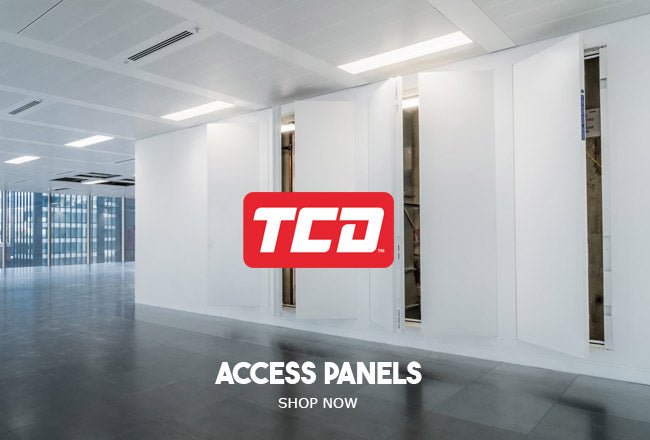
Fire safety is a critical aspect of any construction project, whether residential or commercial. One of the key components that help maintain fire safety within buildings is the fire-rated access panel. These panels are designed to provide access to concealed areas, such as plumbing, electrical systems, or HVAC components, while maintaining the fire-resistance integrity of the surrounding structure. Choosing the right fire-rated access panel is crucial not only for safety but also for compliance with building codes and regulations. In this guide, we'll explore the different types of fire-rated access panels available, factors to consider when choosing the right panel, and why Trade Counter Direct is your go-to source for all your fire-rated access panel needs.
The Range of Fire-Rated Access Panels at Trade Counter Direct
At Trade Counter Direct, we offer an extensive range of fire-rated access panels to suit various applications. Whether you need a standard panel for a residential project or a custom-built solution for a large-scale commercial job, we have you covered. Our selection includes:
- Wall-Mounted Fire-Rated Panels: Ideal for providing access to utilities within walls while maintaining the required fire rating.
- Ceiling-Mounted Fire-Rated Panels: Perfect for accessing HVAC systems and other ceiling-mounted utilities while preserving the fire-resistance rating of the ceiling.
- Custom Solutions: For projects that require unique dimensions or enhanced fire ratings, we offer custom-built fire-rated access panels that can be tailored to any size or job requirement.
All our fire-rated panels come with essential features such as robust locking mechanisms, high-quality materials, and certified fire ratings to ensure maximum protection. To explore our full range of fire-rated access panels, visit Trade Counter Direct.
Custom-Built Fire-Rated Access Panels - Get A Quote Here
Sometimes, off-the-shelf products don’t meet the specific needs of a project. That’s why Trade Counter Direct offers custom-built fire-rated access panels, allowing you to get the perfect fit for any application. Whether you need a panel that matches non-standard dimensions or one that offers an extended fire rating, our custom solutions can be tailored to meet your exact specifications. We offer a range of customization options, including:
- Size: Panels can be custom-sized to fit any opening, no matter how unique.
- Shape: We can create panels in various shapes to suit specific design or functional requirements.
- Fire Rating: Choose from a variety of fire ratings, including extended ratings for areas with higher fire risks.
- Color: Panels can be powder-coated in any RAL color to match your design aesthetic.
Custom-built fire-rated access panels are particularly beneficial for large-scale or complex jobs where standard panels may not provide adequate protection or access. By opting for a custom solution from Trade Counter Direct, you ensure that your project meets all safety standards while also fitting seamlessly into your building’s design.
Factors to Consider When Choosing a Fire-Rated Access Panel
Selecting the right fire-rated access panel involves careful consideration of several factors to ensure that it meets both safety requirements and project needs. Here are some key factors to keep in mind:
- Fire Rating Requirements: The most important factor is the fire rating of the panel, which indicates how long the panel can withstand fire before failing. Common fire ratings include 1-hour, 2-hour, and 4-hour ratings. Assess the fire safety requirements of your project to determine the appropriate fire rating.
- Material Selection: Fire-rated access panels are typically made from materials such as steel or aluminum, which offer excellent fire resistance. The choice of material should be based on the environment where the panel will be installed. For example, metal panels are ideal for commercial or industrial settings, while plastic panels might be used in less demanding environments.
- Building Codes and Standards: Ensure that the selected panel complies with local building codes and fire safety standards. Different regions may have specific regulations regarding fire-rated access panels, so it’s essential to verify compliance before installation.
By carefully considering these factors, you can choose a fire-rated access panel that not only meets the safety requirements but also fits seamlessly into your project’s design and functional needs.
Sizing Your Fire-Rated Access Panel
Proper sizing is critical when selecting a fire-rated access panel. The panel needs to be large enough to provide easy access to the utilities behind it, but not so large that it compromises the structural integrity of the wall or ceiling. Standard sizes are available for most applications, but in some cases, a custom-sized panel may be necessary. Here are some tips for sizing your panel:
- Measure Carefully: Take precise measurements of the area where the panel will be installed, ensuring that you account for any framing or structural elements that may affect the size.
- Consider Access Needs: Think about what will need to be accessed behind the panel. For example, a larger panel may be required if you need to access multiple utilities or large components.
- Consult with Experts: If you’re unsure about the correct size, consult with a professional or contact Trade Counter Direct for advice. We can help you determine the best size for your specific needs.
Choosing the right size ensures that your fire-rated access panel provides sufficient access while maintaining the necessary fire protection.
Fire Ratings and Standards Explained
Understanding fire ratings and standards is essential when choosing a fire-rated access panel. Fire ratings indicate how long a panel can withstand fire before it loses its integrity, while standards ensure that the panel meets specific safety criteria. Here’s a breakdown of the most common fire ratings and standards:
- A1 and A2 Fire Ratings: These are European classifications where A1 is non-combustible, and A2 is limited combustible. A1-rated materials offer the highest level of fire resistance, while A2 materials are slightly less fire-resistant but still provide substantial protection.
- Class 0 and Class 1 Ratings: In the UK, Class 0 and Class 1 ratings are commonly used to describe the fire resistance of materials. Class 0 offers the highest level of protection, followed by Class 1.
- UK Fire Safety Standards: The UK has specific regulations regarding fire-rated doors and panels, including BS 476 and EN 13501. Panels must comply with these standards to be legally used in construction projects.
When selecting a fire-rated access panel, it’s important to choose one that meets or exceeds the required fire ratings and standards for your project. This ensures that the panel will provide adequate protection in the event of a fire.
Installation Tips for Fire-Rated Access Panels
Preparing the Installation Area
Proper preparation of the installation area is crucial for ensuring the effectiveness of a fire-rated access panel. Begin by selecting the optimal location for the panel, ensuring it provides easy access to the necessary utilities while maintaining the fire-resistance integrity of the wall or ceiling. Clear the area of any obstructions, and use a stud finder to locate any framing members that might interfere with the installation. Mark the dimensions of the panel on the surface, taking care to measure accurately to avoid any mistakes during cutting.
Ensuring Proper Sealing and Fireproofing
Once the panel is installed, it’s essential to properly seal the edges to maintain its fire-resistant properties. Apply a fire-resistant sealant around the perimeter of the panel where it meets the wall or ceiling. This sealant will help prevent the passage of flames and smoke in the event of a fire. Additionally, ensure that any insulation around the panel is intact and properly installed to provide further protection against heat transfer.
Common Mistakes to Avoid
Even experienced professionals can make mistakes during the installation of fire-rated access panels. Some common errors to avoid include:
- Incorrect Sizing: Installing a panel that is too small can restrict access, while a panel that is too large can compromise the structural integrity of the wall or ceiling.
- Inadequate Sealing: Failing to apply fire-resistant sealant or using an improper sealant can allow fire and smoke to bypass the panel, reducing its effectiveness.
- Overlooking Fire Codes: Always check local fire safety regulations before installation to ensure that the panel meets all necessary codes and standards.
Maintaining Fire-Rated Access Panels
Regular maintenance is key to ensuring that fire-rated access panels continue to provide the protection they were designed for. Over time, wear and tear can affect the panel’s integrity, so it’s important to inspect them periodically. Here are some maintenance tips:
- Regular Inspections: Check the panel for any signs of damage, such as cracks, corrosion, or worn seals. If any issues are found, they should be addressed immediately to maintain the panel’s fire resistance.
- Sealing and Insulation: Ensure that the fire-resistant sealant around the panel’s edges is intact and hasn’t deteriorated. Replace or repair any damaged seals or insulation.
- Upgrading Panels: If building codes or safety standards change, consider upgrading your fire-rated access panels to meet the new requirements. This may involve replacing older panels with ones that have a higher fire rating or additional safety features.
By keeping your fire-rated access panels well-maintained, you can ensure they continue to protect your building and its occupants from the dangers of fire.
Why Buy from Trade Counter Direct?
When it comes to purchasing fire-rated access panels, Trade Counter Direct is a trusted and reliable source. Here’s why you should choose us for your project:
- Wide Range of Products: We offer an extensive selection of fire-rated access panels, including wall-mounted, ceiling-mounted, and custom-built solutions. Whether you need a standard panel or something more specific, we have the right product for your needs.
- Custom Solutions: For projects that require unique specifications, our custom-built panels are tailored to fit any size or job. This flexibility ensures that you get the perfect panel for your application.
- Competitive Pricing: Our fire-rated access panels are competitively priced, making it easy to find a solution that fits your budget without compromising on quality.
- Next-Day Delivery: We understand the importance of timely delivery, which is why we offer next-day shipping on many of our products. This ensures that your project stays on schedule.
- Professional Support: Our team of experts is available to provide advice and support throughout the purchasing process, helping you choose the right panel and ensuring a smooth installation.
Visit Trade Counter Direct to explore our full range of fire-rated access panels and find the perfect solution for your project.
Conclusion
Choosing the right fire-rated access panel is essential for ensuring the safety, accessibility, and compliance of your building project. Whether you’re working on a residential, commercial, or industrial project, Trade Counter Direct offers a comprehensive range of fire-rated access panels to meet your needs. From standard panels to custom-built solutions, we provide the quality and reliability you require to protect your property and occupants. Remember, the right panel can make all the difference in a fire emergency, so don’t compromise on quality or compliance. Explore our full range at Trade Counter Direct and ensure your next project is equipped with the best fire-rated access panels available.
Frequently Asked Questions (FAQs)
What size access panel do I need?
The size of the access panel you need depends on the specific application and the size of the area that needs to be accessed. Standard sizes are available, but custom sizes can also be made to fit unique requirements. It’s important to measure carefully and consider the access needs behind the panel.
What type of fire-rated door do I need?
The type of fire-rated door you need depends on the fire safety requirements of your building. Common types include 1-hour, 2-hour, and 4-hour rated doors, with the rating indicating how long the door can withstand fire. Your choice should be based on local building codes and the specific risks present in the area where the door will be installed.
What are the standards for fire-rated doors?
Fire-rated doors must meet specific standards, such as BS 476 or EN 1634 in the UK, which outline the testing procedures for fire resistance. These standards ensure that the doors can prevent the spread of fire and smoke for a specified period, helping to protect building occupants and property.
What is a fire-rated access panel?
A fire-rated access panel is a type of panel that provides access to hidden areas, such as plumbing or HVAC systems, while maintaining the fire-resistance integrity of a wall, ceiling, or floor. These panels are designed to prevent the spread of fire and smoke through the openings they cover.
What is a fire-rated panel?
A fire-rated panel is a building component designed to resist fire for a specified period, typically ranging from 1 to 4 hours. These panels are used in walls, ceilings, and floors to maintain the fire-resistance integrity of the structure and prevent the spread of fire.
What is the difference between A1 and A2 fire ratings?
A1 and A2 fire ratings are European classifications that indicate the fire resistance of materials. A1-rated materials are non-combustible, offering the highest level of fire resistance, while A2-rated materials are limited combustible, providing a lower but still significant level of protection.
Is A1 rating better than A2?
Yes, an A1 rating is better than an A2 rating in terms of fire resistance. A1-rated materials are non-combustible and do not contribute to fire at any stage, making them the safest option. A2-rated materials are still fire-resistant but may contribute to fire in very limited situations.
What is A0 and A60 fire rating?
A0 and A60 are classifications used in maritime and offshore industries to indicate fire resistance. An A0 rating means the panel or door provides no insulation against heat but resists flames and smoke for 60 minutes. An A60 rating means the panel or door provides 60 minutes of fire resistance, including insulation against heat.
What is better, Class A or Class C fire rating?
Class A fire ratings are better than Class C ratings in terms of fire resistance. Class A materials offer the highest level of fire protection, while Class C materials provide a lower level of resistance. The choice between Class A and Class C depends on the specific fire risk and safety requirements of your project.
Is cement board A1 fire-rated?
Yes, many cement boards are A1 fire-rated, meaning they are non-combustible and offer the highest level of fire resistance. These boards are commonly used in construction to provide fire protection in walls, floors, and ceilings.
How many minutes is A2 fire rating?
An A2 fire rating typically refers to materials that are limited combustible and can resist fire for a significant period, though not as long as A1-rated materials. The exact duration can vary depending on the specific material and its application, but A2-rated materials generally provide substantial protection.
Which is better, Class 0 or Class 1 fire rating?
Class 0 fire ratings offer better fire resistance than Class 1 ratings. In the UK, Class 0 is the highest rating and indicates that the material will not contribute to the spread of flames. Class 1 is slightly lower but still provides a high level of fire resistance, suitable for most building applications.
What is the difference between Class A and Class C FRP panels?
Class A FRP (Fiber Reinforced Polymer) panels offer higher fire resistance compared to Class C panels. Class A panels are suitable for areas with higher fire risk, while Class C panels may be used in areas where fire risk is lower. The choice between Class A and Class C depends on the specific safety requirements of the project.
What are the fire rating classifications in the UK?
In the UK, fire rating classifications include Class 0, Class 1, A1, A2, and others. These classifications are based on the material’s ability to resist fire and prevent the spread of flames and smoke. The specific rating required depends on the building’s design and fire safety requirements.
What does fire rating C mean?
A fire rating of C typically indicates a material that provides a lower level of fire resistance compared to higher ratings like A or B. It means the material may ignite more easily and contribute to the spread of fire, making it suitable for areas with lower fire risk.